
£129.99
Pack Size: 100-Tablet Pack
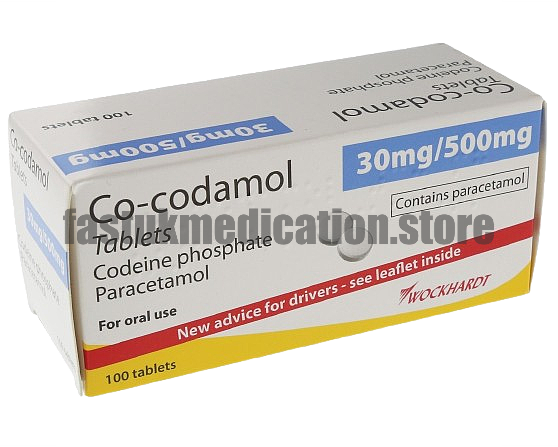
Wockhardt Co-Codamol 30mg/500mg Tablets contain 30mg of codeine phosphate and 500mg of paracetamol in each tablet. This prescription-only combination analgesic is used for the relief of severe pain and, in patients over 12 years of age, for acute moderate pain that has not been adequately relieved by other analgesics such as paracetamol or ibuprofen alone. Wockhardt UK Ltd is a UK pharmaceutical company associated with codeine products, while the specific marketing authorisation should be checked against the product supplied.
Co-Codamol 30mg/500mg combines an opioid analgesic with paracetamol to provide stronger pain relief when clinically appropriate. Because codeine can cause drowsiness, respiratory depression, tolerance and dependence, and excessive paracetamol can cause serious liver damage, treatment should be taken exactly as prescribed and for the shortest appropriate duration. Do not combine it with other paracetamol-containing products unless specifically advised by a healthcare professional.
Co-Codamol contains two active ingredients with different analgesic actions. Codeine is an opioid analgesic that produces pain-relieving effects partly through its conversion to morphine. The amount of codeine converted to morphine varies between individuals, which can affect both pain relief and the risk of opioid-related adverse effects. Paracetamol provides additional analgesic and antipyretic effects through mechanisms that differ from those of codeine. Combining the two ingredients allows both to contribute to pain relief, but taking more than the prescribed amount does not provide a safe way to increase pain control and can substantially increase the risk of toxicity.
Like all medication, Co-Codamol can cause side effects, although not everyone experiences them. Codeine may cause opioid-related effects including drowsiness, dizziness, nausea and constipation. More serious effects can include breathing difficulties, particularly when combined with other sedating medication.
Codeine can cause tolerance, dependence and addiction, particularly with repeated or prolonged use. Taking more Co-Codamol than recommended can also result in serious paracetamol poisoning. Liver damage following paracetamol overdose can be delayed, so urgent medical advice is necessary even if you initially feel well.
Co-Codamol 30mg/500mg is intended for short-term use, with treatment generally limited to 3 days unless a doctor advises otherwise. Repeated or prolonged codeine use can result in dependence and withdrawal symptoms. If you have been taking codeine regularly for longer than intended, speak with your doctor before stopping so that treatment can be reduced safely where necessary.
Co-Codamol 30mg/500mg should generally not be taken for more than 3 days without consulting a doctor. If your pain has not improved after 3 days, seek medical advice instead of increasing the dose or continuing treatment independently.
No. Each Co-Codamol 30mg/500mg tablet already contains 500mg of paracetamol. Taking additional paracetamol can result in an overdose and serious liver damage. Check the ingredients of other medication before taking it with Co-Codamol.
Yes. Codeine can cause drowsiness, dizziness and reduced alertness. Do not drive or operate machinery if you experience these effects. Alcohol and other sedating medicines can increase these risks.
Yes. Co-Codamol contains codeine, an opioid that can cause tolerance, dependence and addiction, particularly with repeated or prolonged use. The risk is reduced by using the lowest effective dose for the shortest appropriate period.
Taking too much Co-Codamol can cause serious codeine toxicity and potentially life-threatening paracetamol poisoning. Liver damage may not produce symptoms immediately, so seek urgent medical advice after an overdose even if you feel well.
No. The current patient information advises against drinking alcohol while taking Co-Codamol. Alcohol can increase the sedative effects of codeine and may increase the risk of serious breathing problems and other adverse effects.
This content is provided for informational purposes only and does not constitute medical advice. These medications are prescription-only medicines (POM) in the UK and should only be used under the guidance and supervision of a qualified healthcare professional.

