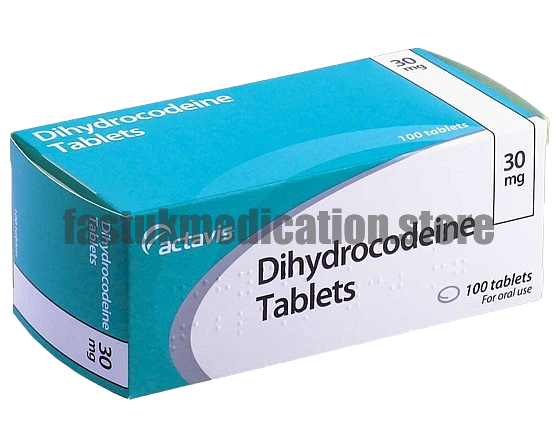
Actavis Dihydrocodeine 30mg Tablets: Strong Pain Relief UK Guide
Actavis Dihydrocodeine 30mg contains 30mg of dihydrocodeine, an opioid analgesic used to treat moderate to severe pain. Dihydrocodeine works through the central nervous system to reduce the perception and response to pain and may be prescribed when weaker painkillers have not provided sufficient relief.
Actavis Dihydrocodeine 30mg is a standard-release tablet strength. Dihydrocodeine treatment should be used at the lowest effective dose for the shortest appropriate duration because regular or prolonged opioid use can lead to tolerance, dependence and addiction.
What Is Actavis Dihydrocodeine 30mg Used For?
- Moderate to Severe Pain: Dihydrocodeine is used for moderate to severe pain when other painkillers may not provide adequate relief.
- Acute Pain: It may be prescribed for short-term pain following an operation, serious injury or another painful condition.
- Long-Term Pain: In some circumstances, dihydrocodeine may be used for longer-term pain when weaker analgesics have not worked, with treatment reviewed regularly because of the risks associated with prolonged opioid use.
- Pain Management: Treatment should be individually adjusted according to pain severity, response to treatment and the risk of opioid-related adverse effects.
How Does Actavis Dihydrocodeine 30mg Work?
Dihydrocodeine is an opioid analgesic that acts on opioid receptors in the central nervous system. This changes how pain signals are processed and reduces the perception of pain, helping provide relief from moderate to severe pain. Standard-release dihydrocodeine is intended for pain relief rather than the treatment of insomnia or other sleep problems. Drowsiness can occur as a side effect, particularly when treatment is started or the dose is increased.
How to Take Actavis Dihydrocodeine 30mg
- Follow Your Prescription: Take dihydrocodeine exactly as prescribed by your doctor or pharmacist because the medication can cause tolerance, dependence and addiction.
- Standard Adult Dose: The usual dose for adults and children aged 12 years and over using standard 30mg tablets is one 30mg tablet every 4 to 6 hours. The maximum is 6 tablets, or 180mg, in 24 hours.
- Administration: Swallow the tablet whole with water. Standard dihydrocodeine can be taken with or soon after food if it causes nausea or stomach discomfort.
- Dose Adjustment: Your doctor may adjust the dose according to your pain, age, other health conditions and response to treatment.
- Older Adults: Older people may require a lower dose or less frequent dosing because they can be more sensitive to opioid effects.
- Kidney or Liver Problems: Tell your doctor if you have kidney or liver problems because your dose or dosing interval may need adjustment.
- Missed Dose: If you forget a dose, take it when you remember unless it is nearly time for your next dose. Do not take two doses together to make up for a missed dose.
Actavis Dihydrocodeine 30mg Side Effects
Dihydrocodeine can cause side effects, particularly when treatment is started or higher doses are used. Common effects include gastrointestinal symptoms, dizziness and drowsiness.
- Nausea
- Vomiting
- Headache
- Sweating
- Dizziness
- Dry mouth
- Confusion
- Skin rash
- Drowsiness
- Constipation
- Difficulty breathing
- Low blood pressure
- Abdominal discomfort
- Difficulty concentrating
Severe sleepiness, difficulty breathing or loss of consciousness can indicate excessive opioid effects or overdose and requires urgent medical attention.
Important Warnings and Precautions
- Dependence and Addiction: Dihydrocodeine is an opioid and repeated use can lead to tolerance, dependence and addiction. Long-term treatment should be reviewed regularly.
- Respiratory Depression: High doses or excessive opioid effects can slow breathing. Seek urgent medical help if breathing becomes difficult, unusually slow or shallow.
- Alcohol and Sedatives: Avoid alcohol and take particular care with sleeping tablets, tranquillisers and other medicines that cause drowsiness because combined effects can increase sedation and respiratory depression.
- Other Painkillers: Dihydrocodeine can sometimes be used with non-opioid painkillers, but do not combine it with other opioid-containing medicines unless specifically advised by a healthcare professional.
- Breathing and Lung Conditions: Tell your doctor if you have asthma, breathing difficulties or another lung condition before taking dihydrocodeine.
- Kidney or Liver Problems: Reduced kidney or liver function may affect how dihydrocodeine is processed and may require dose adjustment.
- Driving and Alertness: Dihydrocodeine can cause drowsiness, dizziness and impaired concentration. Do not drive or operate machinery if you are affected.
- Pregnancy and Breastfeeding: Tell your doctor if you are pregnant, planning pregnancy or breastfeeding because dihydrocodeine may not be suitable in some circumstances.
Stopping Actavis Dihydrocodeine Treatment
If you have been taking dihydrocodeine regularly for more than a few weeks, do not stop suddenly without speaking to your doctor. Abrupt discontinuation can cause withdrawal symptoms such as anxiety, sweating, poor sleep, restlessness, nausea, stomach discomfort and increased pain. Your doctor may gradually reduce the dose to minimise withdrawal symptoms.
Frequently Asked Questions
How long does Actavis Dihydrocodeine 30mg take to work?
Standard-release dihydrocodeine does not necessarily provide immediate pain relief, and the time it takes to have its full effect can vary between individuals. Follow your prescribed dosing schedule rather than taking additional tablets because pain relief seems slow.
How many Actavis Dihydrocodeine 30mg tablets can I take?
The usual adult dose for standard 30mg tablets is one tablet every 4 to 6 hours, with a maximum of 6 tablets, or 180mg, in 24 hours. Always follow your own prescription and do not exceed the recommended dose.
Can Actavis Dihydrocodeine 30mg make me sleepy?
Yes. Drowsiness is a common side effect of dihydrocodeine. Avoid driving or operating machinery if you feel sleepy, dizzy or less alert.
Is Actavis Dihydrocodeine 30mg addictive?
Dihydrocodeine can cause tolerance, dependence and addiction, particularly with regular or prolonged use. The risk increases with longer treatment and higher doses, so treatment should be reviewed regularly.
Can I take paracetamol with dihydrocodeine?
Dihydrocodeine can sometimes be taken with paracetamol, but you should follow your doctor’s or pharmacist’s advice. Check the ingredients of other painkillers and combination products to avoid accidentally taking medicines containing paracetamol or additional opioids.
Can I stop taking Actavis Dihydrocodeine 30mg suddenly?
If you have been taking it regularly, particularly for more than a few weeks, you should speak to your doctor before stopping. A gradual dose reduction may be recommended to reduce withdrawal symptoms.