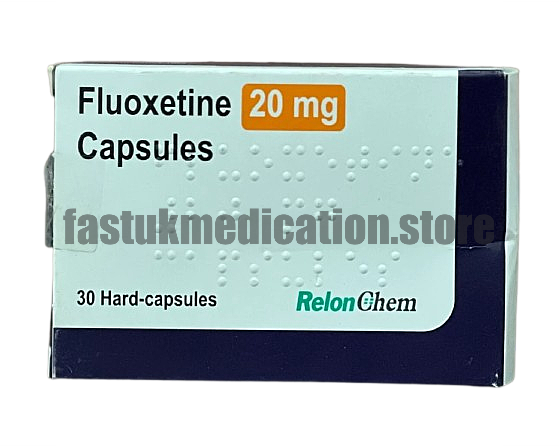
Relonchem Fluoxetine 20mg Capsules: Strong Depression & Anxiety Treatment UK Guide
Relonchem Fluoxetine 20mg Capsules contain 20mg of fluoxetine, an SSRI antidepressant used in adults for major depressive episodes, obsessive-compulsive disorder (OCD), and bulimia nervosa. Fluoxetine may also be prescribed for moderate to severe major depressive episodes in children and adolescents aged 8 years and above when psychological therapy has not been sufficient, under specialist supervision and alongside psychological therapy.
Fluoxetine works primarily by selectively inhibiting the reuptake of serotonin in the central nervous system. This increases serotonin availability and helps regulate mood and related symptoms over time. Fluoxetine has a relatively long half-life, so its effects and active metabolites can remain in the body for an extended period after treatment is changed or stopped.
What Is Relonchem Fluoxetine 20mg Used For?
- Major Depressive Episodes: Fluoxetine is indicated for the treatment of major depressive episodes in adults, including depressive illness with associated anxiety symptoms.
- Obsessive-Compulsive Disorder: Fluoxetine is used to help manage OCD, including persistent intrusive thoughts and repetitive or compulsive behaviours.
- Bulimia Nervosa: In adults, fluoxetine is indicated alongside psychotherapy to reduce binge-eating and purging activity.
- Moderate to Severe Depression in Young People: Fluoxetine may be used from age 8 under specialist supervision when moderate to severe depression has not responded adequately to psychological therapy. Antidepressant treatment should be combined with concurrent psychological therapy.
- Depressive Symptoms with Anxiety: Fluoxetine can be prescribed for depressive illness where anxiety symptoms are also present. It is not generally described as a standalone treatment for ordinary anxiety disorders.
How Does Relonchem Fluoxetine 20mg Work?
Fluoxetine belongs to the selective serotonin reuptake inhibitor class of antidepressants. It selectively blocks serotonin reuptake at nerve cells, increasing the availability of serotonin within the brain. This action contributes to the gradual improvement of depressive and obsessive-compulsive symptoms during regular treatment. Fluoxetine is well absorbed following oral administration and reaches maximum plasma concentrations several hours after a dose. Its long elimination half-life, together with the long half-life of its active metabolite norfluoxetine, means that fluoxetine remains in the body for considerably longer than many other antidepressants. This is also important when changing antidepressants or stopping treatment.
How to Take Relonchem Fluoxetine 20mg
- Follow Your Prescription: Take fluoxetine exactly as prescribed by your doctor or pharmacist. Do not change the dose or stop treatment without medical advice.
- Major Depressive Episodes: The usual adult dose is 20mg once daily. If the response is insufficient, a healthcare professional may gradually increase the dose, with a maximum of 60mg daily for adults. Dose changes should be individualised and the lowest effective dose used.
- Obsessive-Compulsive Disorder: The usual adult dose is 20mg daily. If the response is insufficient, the dose may be gradually increased under medical supervision, up to a maximum of 60mg daily.
- Bulimia Nervosa: The recommended adult dose is 60mg daily when fluoxetine is prescribed for bulimia nervosa.
- Administration: Swallow the capsule whole with water. Fluoxetine can be taken with or without food. Taking it at approximately the same time each day can help maintain a consistent treatment routine.
- Treatment Response: Fluoxetine does not usually provide an immediate improvement in mood. It can take several weeks for symptoms to begin improving, so treatment should not be increased or discontinued simply because improvement is not immediate.
- Missed Dose: If you forget a dose, take it when you remember unless it is nearly time for the next dose. If the next dose is due soon, skip the missed dose and continue with the normal schedule. Do not take two doses together.
Relonchem Fluoxetine 20mg Side Effects
Fluoxetine can cause side effects, particularly during the early stages of treatment. Many effects improve as the body adjusts, but persistent, severe or concerning symptoms should be discussed with a healthcare professional.
- Nausea
- Headache
- Insomnia
- Diarrhoea
- Dry mouth
- Dizziness
- Drowsiness
- Reduced appetite
- Increased sweating
- Sexual dysfunction
- Tiredness or fatigue
- Nervousness or anxiety
Fluoxetine can also cause other adverse effects, and some reactions require prompt medical attention. Antidepressant treatment can be associated with suicidal thoughts or behavioural changes, particularly in younger people and during the early stages of treatment or following dose changes. Patients should seek medical advice promptly if significant deterioration in mood, suicidal thoughts or unusual behavioural changes occur.
Important Warnings and Precautions
- MAOIs: Fluoxetine must not be taken with irreversible, non-selective monoamine oxidase inhibitors because serious and potentially life-threatening reactions can occur. Appropriate intervals are required when switching between fluoxetine and certain MAO inhibitors.
- Other Medicines: Tell your doctor or pharmacist about all medicines being taken, including other antidepressants and non-prescription products. Fluoxetine can interact with medicines that affect serotonin or are metabolised by certain liver enzymes.
- Suicidal Thoughts: Depression itself is associated with an increased risk of suicidal thoughts and self-harm. This risk requires particular attention during the early stages of treatment and after dose changes, especially in people under 25.
- Serotonin Syndrome: Combining fluoxetine with other medicines that increase serotonin can rarely cause serotonin syndrome. Symptoms can include agitation, confusion, sweating, shivering, muscle stiffness or twitching, fever and rapid heartbeat.
- Bleeding Risk: Fluoxetine can increase the risk of bleeding, particularly when taken with medicines such as NSAIDs, aspirin or anticoagulants.
- Heart and Other Conditions: Tell your doctor if you have heart problems, epilepsy, diabetes, glaucoma, liver problems or a history of bleeding disorders, as additional monitoring or dose adjustment may be required.
- Driving and Alertness: Fluoxetine may cause dizziness, drowsiness, tiredness or other effects that can affect concentration. Make sure you know how the medication affects you before driving or operating machinery.
- Pregnancy and Breastfeeding: Discuss fluoxetine treatment with your doctor if you are pregnant, planning pregnancy or breastfeeding. Treatment decisions should consider both the potential benefits and risks.
Stopping Relonchem Fluoxetine 20mg Treatment
Fluoxetine has a long half-life, and withdrawal symptoms are generally less frequent than with some other SSRIs. Nevertheless, treatment should not be stopped or changed without medical advice. The long persistence of fluoxetine and its active metabolite should also be considered when switching to another antidepressant or starting medicines that interact with fluoxetine.
Frequently Asked Questions
How long does Fluoxetine 20mg take to work?
Fluoxetine usually takes several weeks before noticeable improvement in depressive or obsessive-compulsive symptoms occurs. Some effects may appear earlier, but the full therapeutic response can take longer. Continue taking it as prescribed unless your healthcare professional advises otherwise.
Can Fluoxetine 20mg make you sleepy?
Fluoxetine can cause drowsiness or tiredness in some people, although it can also cause insomnia or increased nervousness. Avoid driving or operating machinery until you know how it affects you.
What happens if I miss a dose of Fluoxetine 20mg?
Take the missed dose when you remember unless it is nearly time for your next dose. If the next dose is due soon, skip the missed dose and continue normally. Do not take two doses together.
How much Fluoxetine 20mg should I take?
For adult major depressive episodes, 20mg once daily is the usual recommended starting dose. OCD is also commonly treated initially with 20mg daily, while bulimia nervosa has a recommended adult dose of 60mg daily. Your prescribed dose may differ depending on the condition, response and other health factors.
Can I drink alcohol while taking Fluoxetine?
Alcohol may increase or worsen some fluoxetine-related effects such as drowsiness, dizziness or impaired concentration. Discuss alcohol consumption with your doctor or pharmacist, particularly if you experience these effects.
Can I stop taking Fluoxetine 20mg suddenly?
Do not stop fluoxetine or change the dose without medical advice. Although its long half-life means withdrawal symptoms may be less common than with some other antidepressants, stopping treatment still needs to be considered carefully, particularly when switching to another medication.