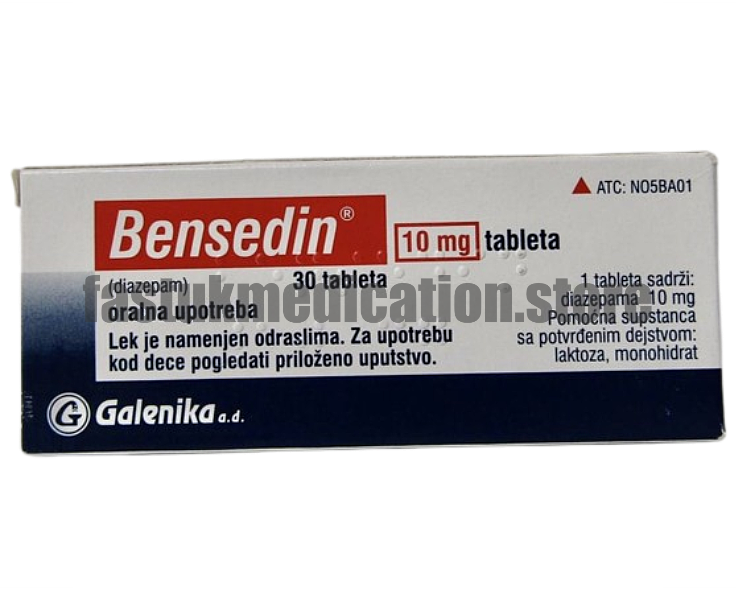
Bensedin 10mg Tablets (Diazepam): Strong Anxiety Relief UK Guide
Bensedin 10mg Tablets contain 10mg of diazepam, an active ingredient belonging to the benzodiazepine class of medicines. Diazepam is used for the short-term relief of severe, disabling or distressing anxiety and can also be prescribed for muscle spasms, certain seizure disorders, acute alcohol withdrawal and as a sedative or premedication in appropriate clinical situations. Diazepam tablets are available in 2mg, 5mg and 10mg strengths in the UK.
Diazepam works by enhancing the activity of gamma-aminobutyric acid (GABA), an inhibitory neurotransmitter in the central nervous system. This produces calming, sedative, muscle-relaxant and anticonvulsant effects. Because diazepam can cause dependence, impaired alertness and withdrawal symptoms, treatment should use the lowest effective dose for the shortest appropriate period under medical supervision.
What Is Bensedin 10mg Used For?
- Severe Anxiety: Diazepam can be used for the short-term relief of anxiety that is severe, disabling or causing unacceptable distress. Treatment for anxiety should generally not continue beyond 4 weeks.
- Anxiety-Related Insomnia: Diazepam may be prescribed when insomnia occurs together with significant anxiety. The underlying anxiety should be considered when determining the appropriate treatment.
- Muscle Spasm: Diazepam has muscle-relaxant properties and can be prescribed for certain types of muscle spasm.
- Seizure Disorders: Diazepam can be used as an adjunct in the management of certain types of epilepsy and seizure-related conditions when prescribed for this purpose.
- Alcohol Withdrawal: Diazepam may be used as part of medically supervised treatment for acute alcohol withdrawal. This requires appropriate clinical assessment and monitoring.
How Does Bensedin 10mg Work?
Diazepam is a benzodiazepine that binds to benzodiazepine receptors associated with the GABA-A receptor system in the central nervous system. It enhances the inhibitory effects of GABA, reducing excessive neuronal activity. This action produces anxiolytic, sedative, muscle-relaxant and anticonvulsant effects. The clinical effect depends on the dose, condition being treated and individual response. Diazepam does not simply treat anxiety by increasing serotonin and should not be described as an SSRI antidepressant.
How to Take Bensedin 10mg
- Follow Your Prescription: Take diazepam exactly as prescribed. The appropriate dose depends on the condition being treated, individual response, age and other health factors.
- Anxiety: For adults, UK prescribing information gives a total daily dose of 5mg to 30mg in divided doses for anxiety states. The lowest dose capable of controlling symptoms should be used, and treatment should not continue beyond 4 weeks for anxiety.
- Muscle Spasm: For adults, doses of 5mg to 15mg daily in divided doses may be used for muscle spasm, depending on the underlying condition and clinical response.
- Anxiety-Related Insomnia: When insomnia is associated with anxiety, a dose of 5mg to 15mg before bedtime may be prescribed. The dose should be determined by the prescriber rather than by tablet strength alone.
- Administration: Diazepam tablets should be swallowed with water. They can generally be taken with or without food.
- Dose Adjustment: Older or debilitated adults may require lower doses. Dose reduction or additional caution may also be required in people with kidney or liver impairment.
- Treatment Duration: Diazepam for anxiety should normally be used only for a short period, generally no longer than 4 weeks. Longer use increases the risk of dependence, tolerance and withdrawal symptoms.
- Missed Dose: If you forget a dose, skip it and take your next dose at the usual time. Do not take two doses together to make up for a missed dose.
Bensedin 10mg Side Effects
Diazepam can cause side effects because of its effects on the central nervous system. Drowsiness and reduced alertness are particularly important because they can affect driving and other activities requiring concentration.
- Headache
- Tiredness
- Dizziness
- Confusion
- Drowsiness
- Lightheadedness
- Muscle weakness
- Memory problems
- Reduced alertness
- Poor coordination
- Low blood pressure
- Difficulty concentrating
Some people can experience changes in mood, increased anxiety or depression, blurred vision or other effects. Serious effects can include severe allergic reactions and slowed or shallow breathing, particularly when diazepam is combined with other medicines or substances that depress the central nervous system.
Important Warnings and Precautions
- Dependence and Addiction: Diazepam can cause physical and psychological dependence, particularly with prolonged or repeated use. It should be prescribed at the lowest effective dose for the shortest appropriate duration.
- Alcohol: Do not drink alcohol while taking diazepam because alcohol can increase its sedative effects and the risk of serious adverse reactions.
- Opioids and Other Sedatives: Combining diazepam with opioids or other central nervous system depressants can increase sedation and the risk of respiratory depression. Tell your doctor about all medicines you take.
- Breathing Problems: Diazepam may not be suitable for people with significant breathing problems, sleep apnoea or other conditions affecting respiration. Medical advice is important before treatment.
- Driving and Alertness: Diazepam can cause drowsiness, dizziness, reduced alertness and impaired coordination. Do not drive, cycle or operate machinery if you are affected.
- Kidney and Liver Problems: Tell your doctor if you have kidney or liver problems. Lower doses or alternative treatment may be appropriate in some circumstances.
- Mental Health: Tell your doctor about depression, severe mental health problems, previous substance misuse or other significant psychiatric conditions before taking diazepam.
- Pregnancy and Breastfeeding: Diazepam is not routinely recommended during pregnancy and can pass into breast milk. Discuss treatment with a doctor or pharmacist if you are pregnant, planning pregnancy or breastfeeding.
- Other Medicines: Diazepam can interact with antidepressants, antipsychotics, sedating antihistamines, anaesthetics and other medicines that affect the central nervous system. Always provide a complete medication history to your prescriber or pharmacist.
Stopping Bensedin 10mg Treatment
Diazepam should not normally be stopped suddenly after regular use. Abrupt discontinuation can cause withdrawal symptoms, including anxiety, sleep problems, headaches, muscle pain and other physical or psychological symptoms. Your doctor should normally reduce the dose gradually when treatment is being discontinued.
Frequently Asked Questions
How quickly does Bensedin 10mg work?
Diazepam can begin producing calming and sedative effects relatively quickly, but the timing varies according to the individual, dose and reason for treatment. It should not be used simply to obtain a predictable or guaranteed onset of sedation.
Is Bensedin 10mg a strong dose of diazepam?
10mg is one of the standard tablet strengths available for diazepam in the UK. Whether 10mg is appropriate depends on the condition being treated and individual factors. It should not be assumed that the 10mg tablet is suitable simply because lower strengths have not produced the desired effect.
Does Bensedin 10mg make you sleepy?
Yes. Diazepam commonly causes drowsiness, tiredness and reduced alertness. These effects can interfere with driving, operating machinery and other activities requiring concentration.
Can I drink alcohol while taking Bensedin 10mg?
No. Alcohol can increase the sedative effects of diazepam and may increase the risk of serious side effects. Alcohol should be avoided while taking diazepam.
How long can I take Bensedin 10mg for anxiety?
Diazepam for anxiety is intended for short-term treatment. UK prescribing information states that treatment for anxiety should not continue beyond 4 weeks because longer use increases the risk of dependence and withdrawal.
Can I stop taking Bensedin 10mg suddenly?
No. If you have been taking diazepam regularly, stopping suddenly can cause withdrawal symptoms and rebound anxiety. A healthcare professional should normally reduce the dose gradually when treatment is discontinued.